To be honest, after living in the UK for a long time, I’ve developed a bit of a conditioned response to the “May half-term.” The kids are off school, the weather is warming up but remains unpredictable, and the usual rhythm of city life is suddenly disrupted—many families find themselves in a mindset where they want a quick getaway, but one that burns off plenty of energy.
This year, instead of the usual seaside hotel or a short road trip, I decided to try a PGL family adventure camp on the UK coast—specifically, the Osmington Bay centre near the Jurassic Coast. After the experience, my takeaway was clear: this wasn’t just a “trip,” but rather a reimagined way for a family to spend time together.
Why I chose the PGL coastal family camp
What initially drew me in wasn’t the “outdoor activities” themselves, but a very practical issue: when families spend every moment of a holiday together, it can easily turn into a process of “mutual exhaustion.” Kids want thrills while adults want to rest, and the result is often that no one is fully satisfied.
PGL’s May half-term family adventure breaks solve this problem in a unique way: they don’t force the family to do the exact same thing; instead, everyone stays in the same location while participating in activities suited to their own energy levels.
During the day, children join dedicated outdoor activity groups while adults tackle their own challenges, with everyone reconvening in the afternoon and evening. This structure made me realize for the first time that a family trip doesn’t require being glued together 24/7—and that, in fact, this approach actually fosters more genuine connection.
First impressions of Osmington Bay: The coast isn’t just a backdrop—it’s the core
Upon arriving at Osmington Bay, my first impression wasn’t that I had reached a typical holiday resort, but rather that I had entered an outdoor ecosystem designed around the coastal environment.
Located along the Jurassic Coast, the setting is dynamic and dramatic—featuring sea breezes, sandy beaches, undulating terrain, and the characteristic weather shifts of England’s south coast. Late May is a particularly pleasant time to visit; the weather is warming up, yet the sea breeze retains a refreshing coolness, making conditions perfect for a full range of water-based activities.
PGL takes a clever approach here: rather than treating the sea merely as scenery, they integrate it directly into the activity curriculum.
Authentic experiences: surfing, sailing, and coastal hiking
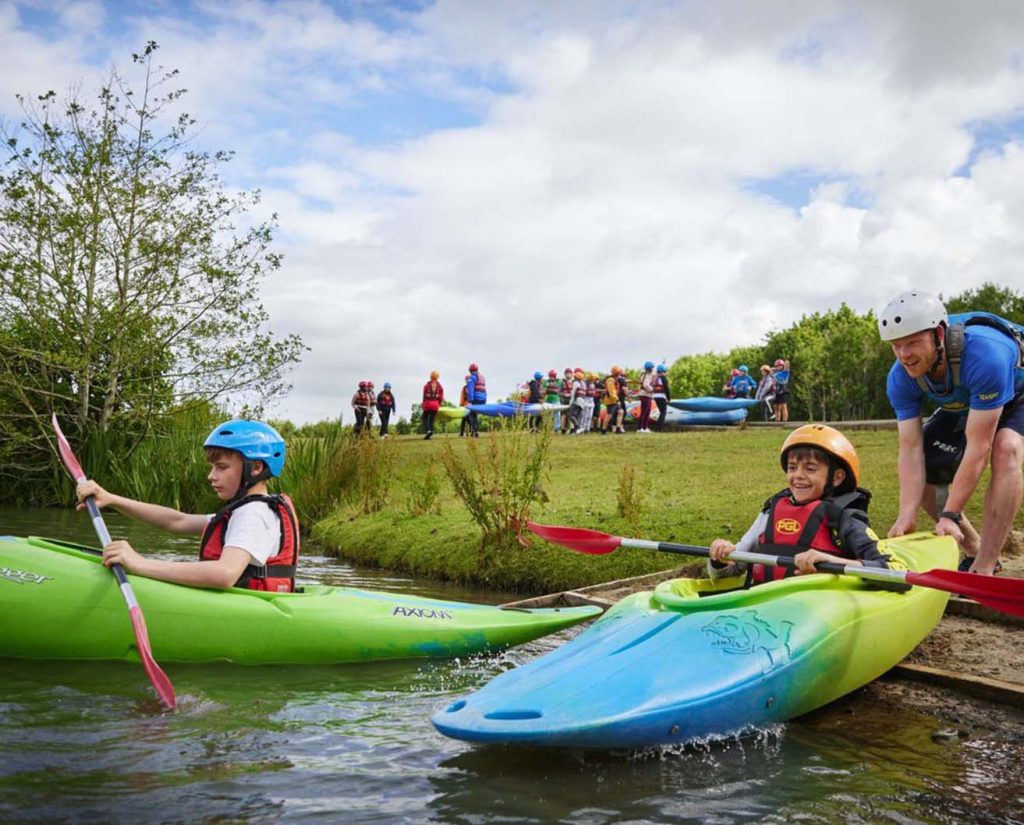
The first activity I tried on this trip was the surfing lesson. It wasn’t just a casual, “just for fun” activity; it was a structured experience with proper instruction. The instructor began by explaining the basics on the beach before gradually moving into the shallows. For the children, the process was safe yet offered a genuine sense of challenge.
Sailing offered a completely different pace. Out on the waters of Osmington Bay, teamwork became intuitive. You could see the children naturally dividing up tasks—some watching the wind, others steering, and some communicating the rhythm of the movements. It was the kind of experience that is hard to replicate in a classroom.
Coastal hiking, on the other hand, was a quieter affair. While walking along the Jurassic Coast, PGL’s approach wasn’t about lectures, but rather “task-based exploration.” Children were encouraged to observe changes in rock formations and document geological features; this turned the hike into a mini-adventure rather than just an ordinary walk.
The pace of the family trip: separate experiences, shared rewards
What struck me as particularly well-designed about this program was its redefinition of “family time.”
In most traditional vacations, family time implies that everyone must do the same thing together. PGL’s design, however, treats the daytime as a period for “separate experiences.”
Children join age-appropriate group activities, while adults participate in a different set of challenges or team-building exercises. The benefit is clear: no one is forced to dial their activity level up or down to match others.
In the afternoon, families reunite for shared tasks, such as team challenges or light water activities. This naturally fosters genuine conversation—children eagerly share what they did during the day, rather than just giving passive answers to “How was your day?”
Evenings are the most relaxed part of the camp experience; a beach bonfire, casual socializing, and the backdrop of wind and waves allow everyone to wind down after the day’s activities.
Exclusive May experiences: memorable little details
There were a few details in PGL’s May Half-Term program that I hadn’t anticipated.
For instance, surfing gear was included for the duration of the stay, so there was no need for extra rentals. It might seem like a small point, but in practice, it saved a lot of hassle and preparation effort. Furthermore, the evening campfire activities are significantly more fully realized by late May. The weather is perfect for sitting outdoors for extended periods, creating an atmosphere that feels more open and relaxed compared to the winter or early spring versions.
These combined details give the impression that this offering isn’t something hastily cobbled together, but rather a seasonal experience that has been refined over the long term.
The child-friendly design put me at ease
I particularly appreciated the fact that younger children are given specific consideration within the overall framework.
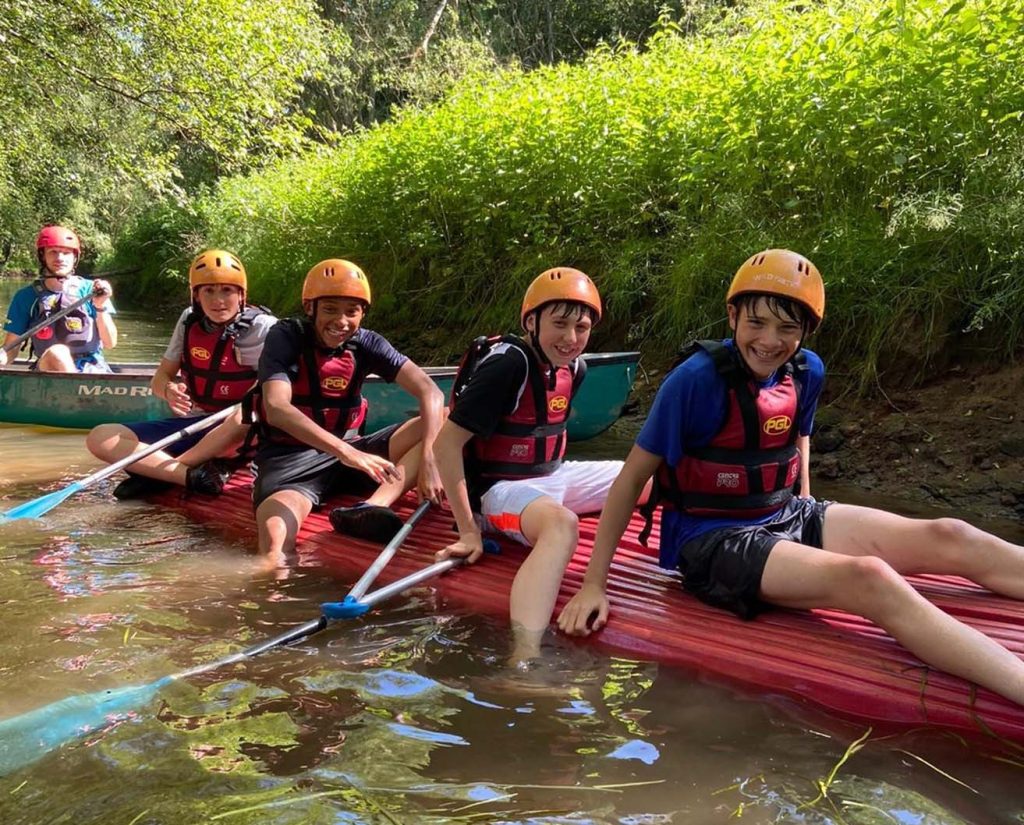
At Osmington Bay, activity areas are zoned—particularly for water-based activities, where there is a strict separation between the shallow-water introductory zones and the areas for formal activities.
Activities are also segmented by age group, which avoids a common pitfall: children feeling frustrated due to disparities in ability. From an overall perspective, this design isn’t merely an “add-on safety measure,” but an integral part of the entire system.
Reflections after the trip: A reset for family dynamics
As we left, I had a distinct feeling: the past few days hadn’t left us “exhausted from playing,” but rather gave our family’s rhythm a much-needed reset.
My child became more willing to express themselves openly rather than constantly relying on screens. Far from becoming draining, our 24-hour togetherness actually fostered better communication; having separate experiences during the day gave us fresh topics to discuss.
Ultimately, PGL’s model isn’t just about providing a “holiday destination”; it offers a structured way for families to experience time together.